| In recognition of National Youth Ultimate Giving Week, Tristan Green, Director of the Ultimate Foundation, sat down with participating USA Ultimate Affiliates from across the U.S. to gain insight into their organizations, youth programs, and investments in the future of ultimate. Find your local affiliate, and donate today! |
President of the Utah Ultimate Disc Association, Joe Strong, also serves as an observer, Regional Youth Director (West) and Coach Development Program Instructor for USA Ultimate. Strong shares how Utah Ultimate is growing by working collaboratively, being open to new ideas and supporting lifelong access for the whole community.
Can you dive into the scope of the organization, your mission and what makes Utah Ultimate unique?
I would say our big objectives are to grow the foundation of the sport, which is youth, in whatever way we can, to expand the opportunities that we have for adult rec, to keep people engaged throughout their lives, and to keep hosting events like college nationals for people to come be part of. I want to build Utah as an ultimate hub.
There are a lot of disc orgs in Utah, but we are the only affiliate of USA Ultimate. We are the state governing body, and we have a great working relationship with all of them. Even though we’re a bigger state — it takes six to seven hours to drive from the top to the bottom — we’re trying to build a good ultimate community, and if someone else wants to run an event, we are happy to support them.
Utah’s growing quickly, population wise. People from around the country are coming and bringing their ultimate experience. We have people from Seattle and California who are bringing different things, and it’s just making us better. I take this hybrid approach, whatever it is that people bring that works, I’m gonna use that. I’m okay giving up some of the things that we used to do when we have an option that is better.
How does Utah Ultimate introduce new youth players to ultimate and help them find their place in the sport?
We just hired Sailor Rust as Director of Operations, and she has come in with a lot of great ideas, so we’re actually in the middle of revamping a lot of things that we’re doing.
We’ve reached out to every Boys and Girls Club in the state. I think we have eight of them where we are running camps and clinics over the next six months. We’re expanding what adult rec looks like in hopes of bringing back some of those adult players that used to play, and can now bring their kids in too.
We’re building a list of potential coaches. Once we identify where we have a coach that is willing, we’re reaching out to the school. We’re bringing them discs saying, “This is our gift to you. Let us help you organize and get a team going, or just teach it inside your PE classes.” And we’re reaching out to all the feeder schools for that high school, trying to get the upper elementary and middle school kids playing.
So those are big efforts right now trying to reach out, find people and build opportunities.
What programs or initiatives have made the biggest difference in growing youth participation in your area?
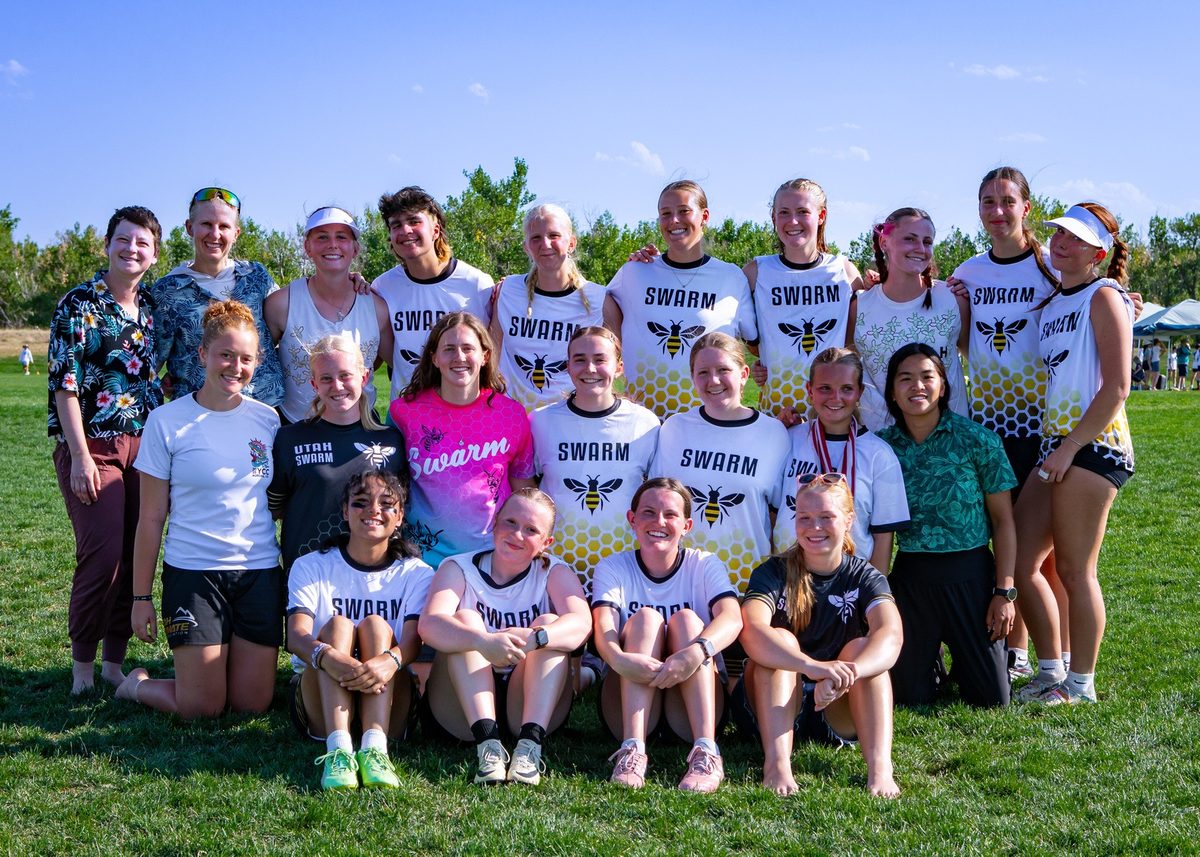
I would say the biggest thing that helped us is we changed our season. So our spring season is high school based. You have to attend the high school that you’re playing for. For fall, we moved to a club-based structure, you can play for whoever you want.
The reason that’s helped is that kids who go to a smaller school or a smaller program will go pick up with a bigger program, or one with a more dedicated, involved coach. They learn new skills and take them back to their high school team. Even though our numbers for fall are still low — we had around seven teams at our high school mixed state tournament, and eight at our single gender tournament — the kids on those teams were the ones that wanted to be there, and came from all over. It is helping build those smaller teams in a way I did not anticipate.
What barriers prevent youth from participating in Utah, and how is your organization working to address them?
Access to fields and awareness. The big thing that we’re doing to change that is we built a partnership with Salt Lake County Rec. They’re actually going to take over a lot of our league management. It’s going to reduce fees for players, because they get the fields for free and they run everything. So that’s going to be a big win.
And then we’re partnering a lot more with the Utah Sports Commission and Salt Lake Sports, they’re getting us access to sports tourism budgets, for things like the USA Ultimate College Championships.
One of the reasons we got the college championships for 2027 was because ultimate was the third largest tourism sport in Utah for the last 3 years. Once we pointed that out, the local commissions were willing to back our bid. This isn’t just one random event we’re trying to bring here, it’s a whole industry.
How do you create opportunities for different ages, backgrounds and experience levels to connect through the sport?
We’re hoping to reach some of the more underprivileged areas of our counties. We have a few counties that are doing a good job of it, but I’m sad to say we are not doing a great job in our two biggest counties — Salt Lake and Utah County. Cache Valley’s done better at providing access to some of their more underprivileged areas and we’ve helped support that. That’s part of what our Boys and Girls Club effort is, to get into those underrepresented areas and just expand what opportunities exist and give kids an outlet they can continue.
You’ve probably heard me say this, ultimate has lifelong opportunities.
What have you learned about keeping kids involved in ultimate over the long term? What makes them turn into lifelong players?
Keeping it fun. For every kid, that is different. That is the big thing that I’ve learned. To some kids, winning is all that matters, and that is what’s fun. Others just want to play and have a good time, and that is okay. There has to be a place for everyone to do what they find fun to keep playing, because as soon as it’s no longer fun they find something else to do. So finding the right balance of what that fun is for everyone is the important thing.
How does the USA Ultimate affiliate relationship support your work?
I am locked into being an affiliate, having the backing of USA Ultimate is awesome. And also, it’s just nice to know that there’s a larger ultimate community beyond Utah.
Being an affiliate, that’s how we got high school nationals going, that’s how we got college nationals and Talent ID camps in the area. We’re doing good work. It’s because we have those relationships that we’ve been able to build, bring national coaches out here, bring elite teams to Utah. Kids who don’t travel get to see what high-level ultimate looks like, and what they can aspire to be part of. It’s not just Utah Ultimate building a tournament for kids to play in, there’s also that next level, that next step.
I didn’t have those opportunities as a kid. Because we didn’t have a state organization I didn’t know about Team USA, U20s, U24s or any of those. Affiliates are the tie to the national scene, I think we keep the competitive kids involved.